
The number of foreign workers in Serbia has been growing significantly year after year, with this trend becoming especially noticeable in recent years. During 2024 alone, nearly 80,000 work visas were issued to foreign nationals working in Serbia. With simplified employment procedures, foreign workers are becoming an increasingly important part of the domestic labor market.
The question of who the most in-demand profiles are -and why certain roles require intensive foreign workforce recruitment - has become highly relevant for both employers and Serbia’s economic policy.
1. Construction and Infrastructure Workers
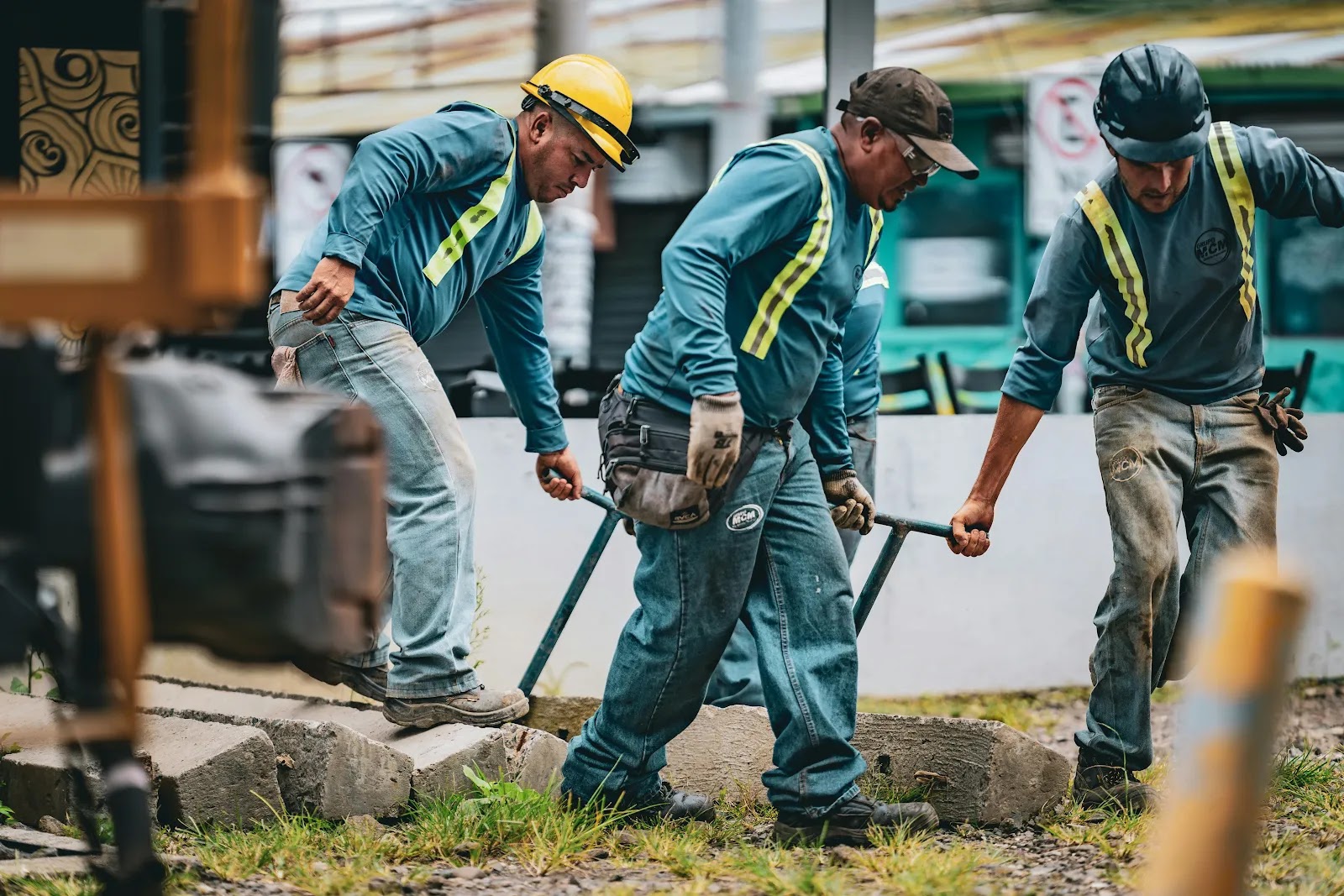
The majority of foreign workers in Serbia are employed in construction and infrastructure projects.
According to European media reports, a large number of workers arrive through organized interstate agreements for major infrastructure investments, most commonly from countries such as Turkey, China, India, and Russia.
These workers typically perform tasks such as:
road and bridge construction
work on large-scale public infrastructure projects
roles in construction companies facing a shortage of local labor
Construction remains the largest sector employing foreign workers, as the domestic labor market lacks a sufficient number of qualified professionals.
2. Drivers and Transport Workers
Although they may not be the most visible in public spaces, drivers are among the most in-demand profiles -bus drivers, truck drivers, and food delivery workers.
Reports indicate that the perception that foreign workers are mostly seen on the streets is underestimated, as many are engaged in transportation and logistics roles, especially in larger cities.
These roles are in high demand because:
local workers are often unwilling to take these positions
the jobs involve flexible and variable working conditions
the transport sector is growing rapidly due to the expansion of e-commerce and delivery services
3. Hospitality, Warehouse, and Manufacturing Workers
In addition to infrastructure and transport, hospitality, manufacturing, and logistics are key sectors where foreign workers fill labor gaps.
According to various sources:
many foreign workers are employed in hospitality as waiters and service staff
warehouses and storage facilities rely on foreign workers to compensate for the lack of domestic labor
manufacturing plants often employ workers from Asia and other regions where working in Serbia presents a better economic opportunity
Where Do Foreign Workers Most Commonly Come From?
Statistics show that foreign workers in Serbia are most commonly recruited from the following countries and regions:
Turkey – particularly for construction projects
China – workers organized through companies operating on projects in Serbia
India – groups of workers often arrive through agencies and frequently bring relatives
Russia and Ukraine – part of migration flows, with some staying for business and personal reasons
Demographic and Market Context
The increase in the number of foreign workers is partly driven by demographic decline, emigration, and labor shortages in specific sectors. Serbia is facing a continuous decrease in the number of working-age domestic workers, which further increases the demand for imported labor.
At the same time, the number of issued work permits continues to grow. While many foreign workers do not remain in the country permanently, they represent an important workforce for short- and medium-term projects.
Conclusion
The most in-demand foreign worker profiles in Serbia in 2026 are:
construction workers and infrastructure project operatives
drivers (buses, trucks, and delivery services)
workers in hospitality, logistics, and manufacturing
This trend is not temporary - it reflects structural changes in Serbia’s labor market. Due to the shortage of domestic workers in many sectors, supplementing the workforce with foreign labor has become not only necessary, but strategically important.